
DEFINE
Reveal The Right Problem
This is the moment when exploration turns into focus. After gathering stories, observations, and data, the Define step helps you make sense of it all—uncovering patterns, surfacing insights, and shaping a clear understanding of what really needs to be solved. It’s not just about organizing information, but about finding meaning in the mess and choosing where to focus your creative energy. This clarity becomes the foundation for everything that comes next.

Where to Start?
While empathy gives you the raw ingredients, this step is where you begin to cook. Define is a moment of reflection and meaning-making—a chance to pause, zoom out, and ask: What are we really seeing here? You’ll begin to group what you’ve heard, identify recurring patterns, and translate them into insights that reveal people’s deeper needs. This step requires curiosity, critical thinking, and the ability to see beyond the obvious. It’s where teams move from collecting stories to understanding what those stories are trying to tell them.
Why This Step Matters?
It aligns the team around the right problem – A well-defined challenge brings clarity and direction to the entire process. It helps teams move forward with focus, instead of acting on assumptions or scattered observations.
It reframes the challenge through the user’s lens – This step transforms raw data into meaningful insights that reflect what truly matters to people. By translating what we’ve heard into what we’ve learned, the challenge becomes more relevant, grounded, and worth solving.
It sets the stage for purposeful creativity – When the problem is clearly framed, idea generation becomes more focused and effective. Opening up space for creativity with intention.
The Challenge of This Step
It can be tempting to jump into ideas before fully understanding the problem, but that often leads to solutions that miss the mark. Synthesizing complex findings into clear insights takes time, critical thinking, and collaboration. It’s about making choices, prioritizing what’s most important and letting go of what’s just noise. Getting everyone aligned on a single challenge can feel messy, but it’s essential to moving forward with confidence.
Key activities to Define the Problem
This step is all about making meaning from your research. These activities help you uncover what really matters, so you can define a focused and user-centered problem that will guide the rest of your process.

Organize the Data

Cluster and Group Patterns

Understand the Context
Map out the experience using tools like empathy maps, journey maps, or stakeholder maps to see the bigger picture.

Spot Insights
Translate findings into insights, relevant learnings that reveal deeper user needs, emotions, or contradictions.

Frame the Problem

Align and Prioritize
Tools & Methods
This step is all about turning information into clarity. The tools here help you organize your findings, identify patterns, and craft a clear problem statement. Use them to uncover insights, visualize the user experience, and frame opportunities that are worth solving.
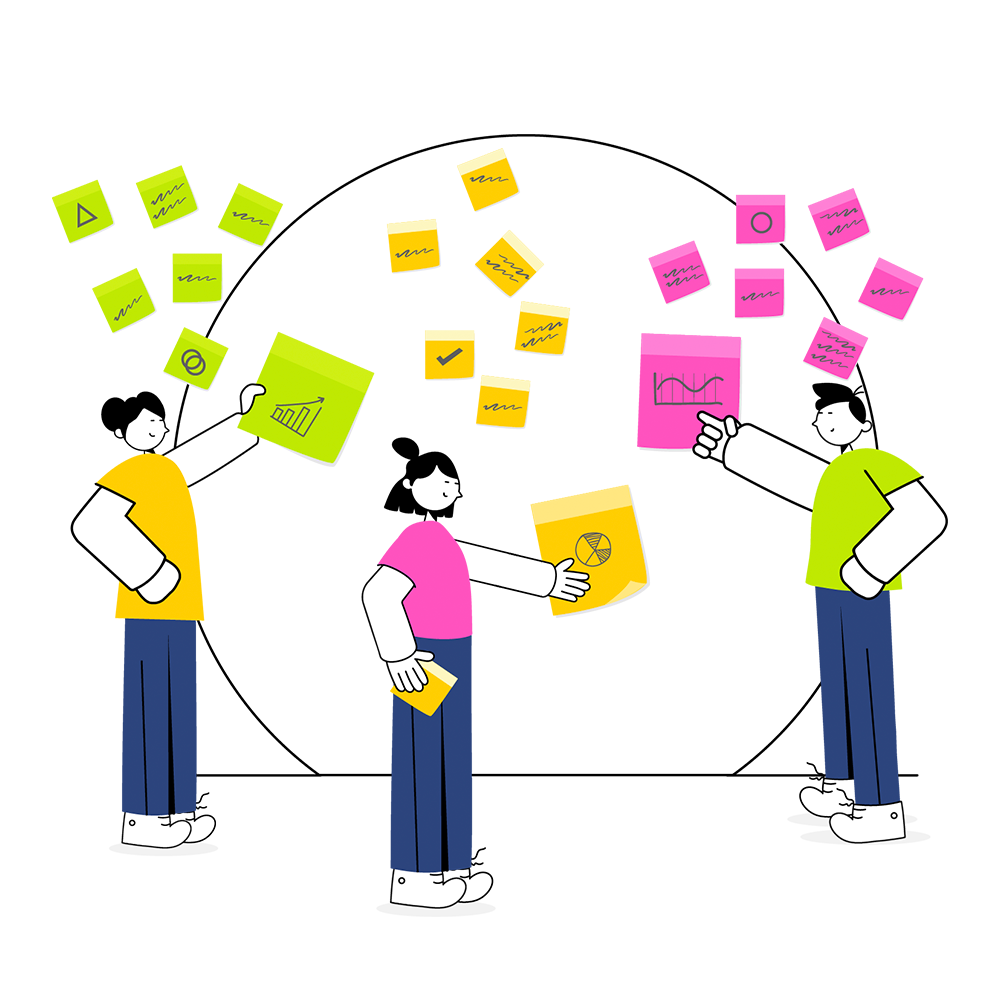
Afinity clustering
Bring order to chaos.
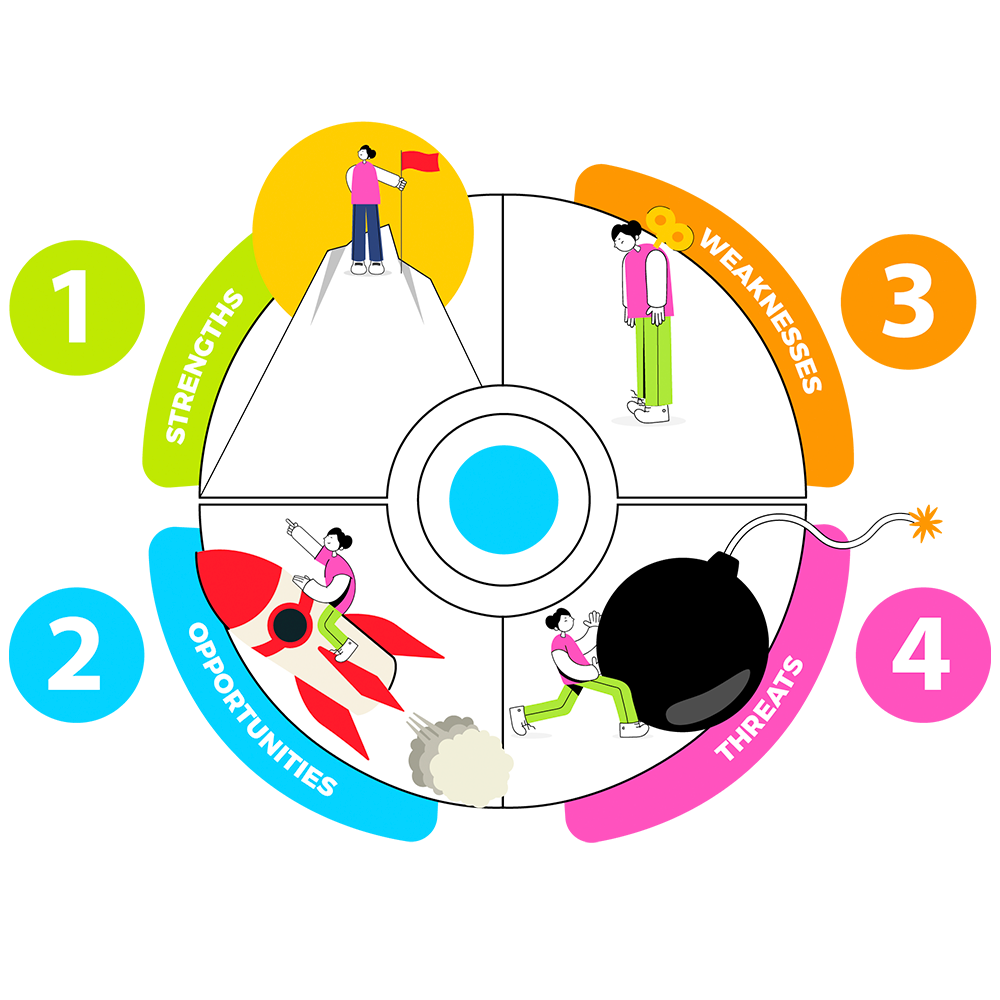
Matrix
Map insights to reveal what matters most.

Stakeholder map
Map the people who shape the system.
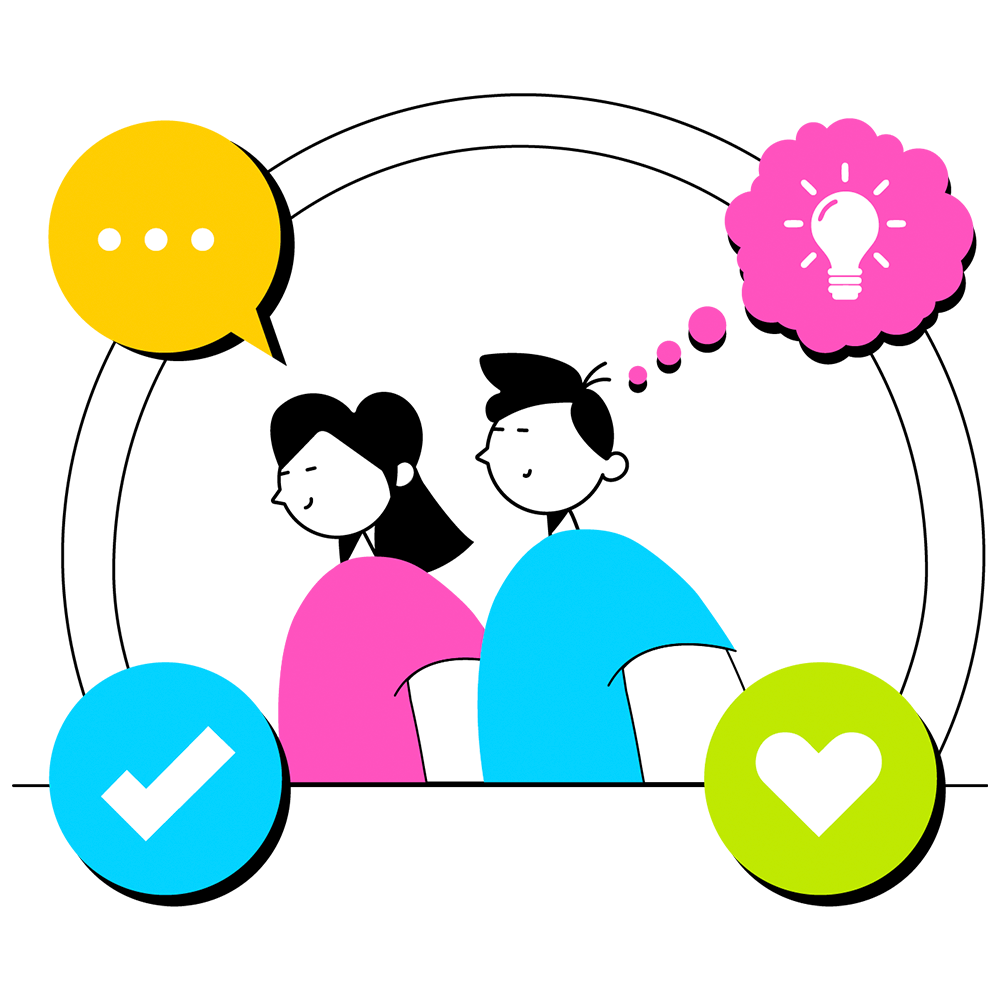
empathy map
Visualize what your user thinks, feels, and experiences.
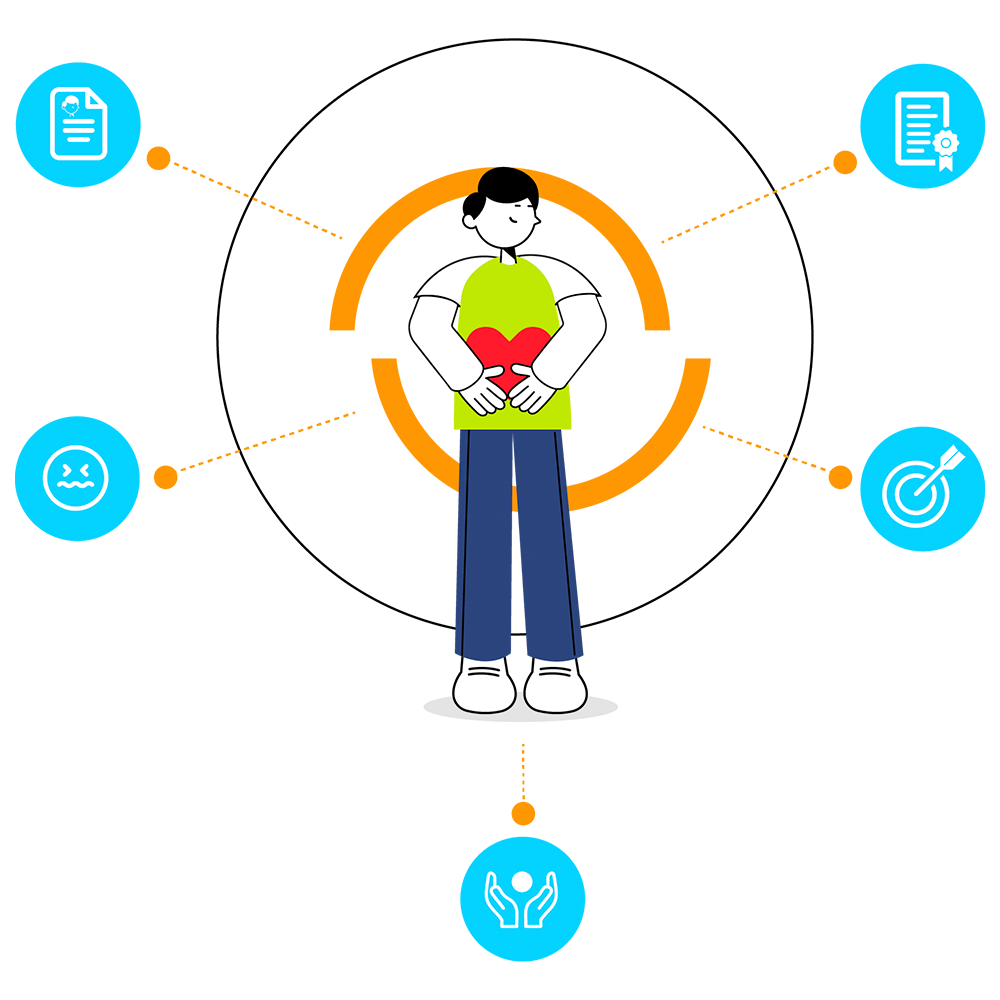
persona profile
Bring your users to life.

Journey map
Visualize the user’s experience over time.

jobs to be done
Uncover the real reason people “hire” your product.
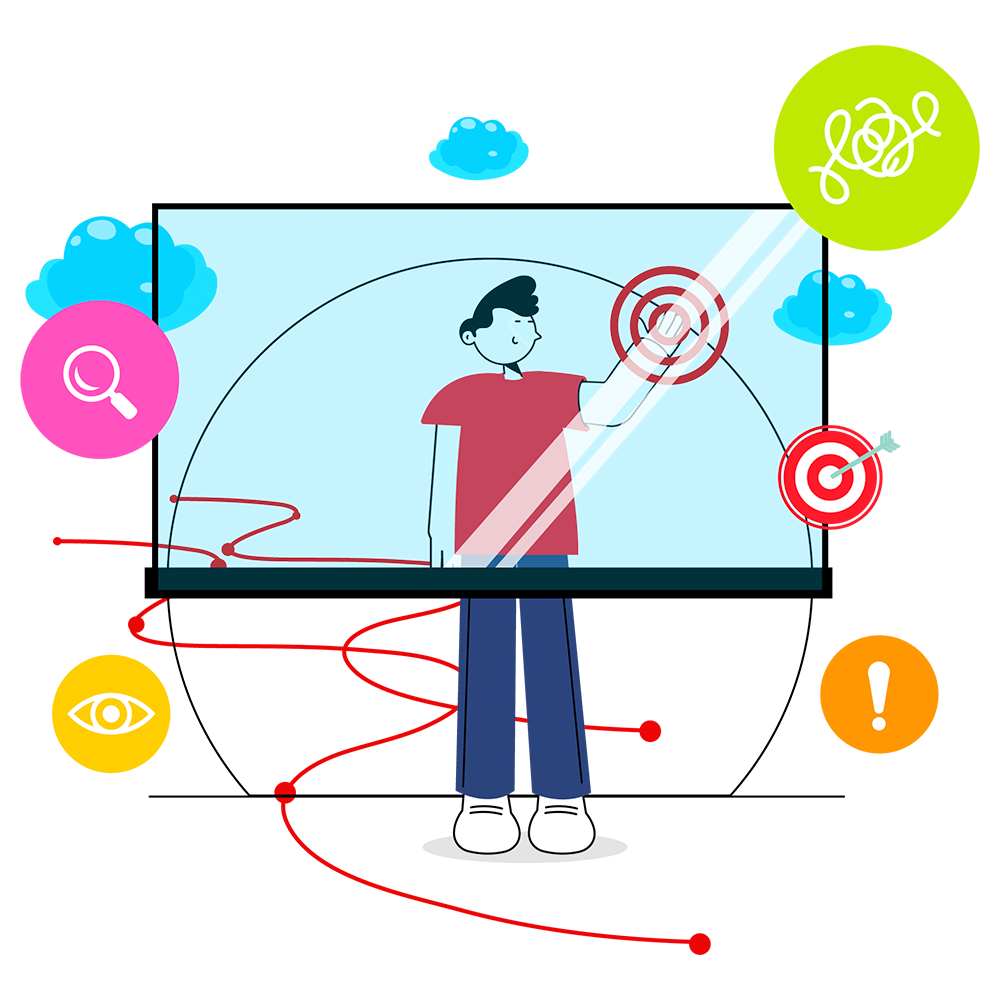
insight and problem structure
Turn research into real direction.
Formats to Start
Empathy comes from exploration, and the right tools make all the difference. Choose the tools & methods that best fit your challenge and start discovering what truly matters.
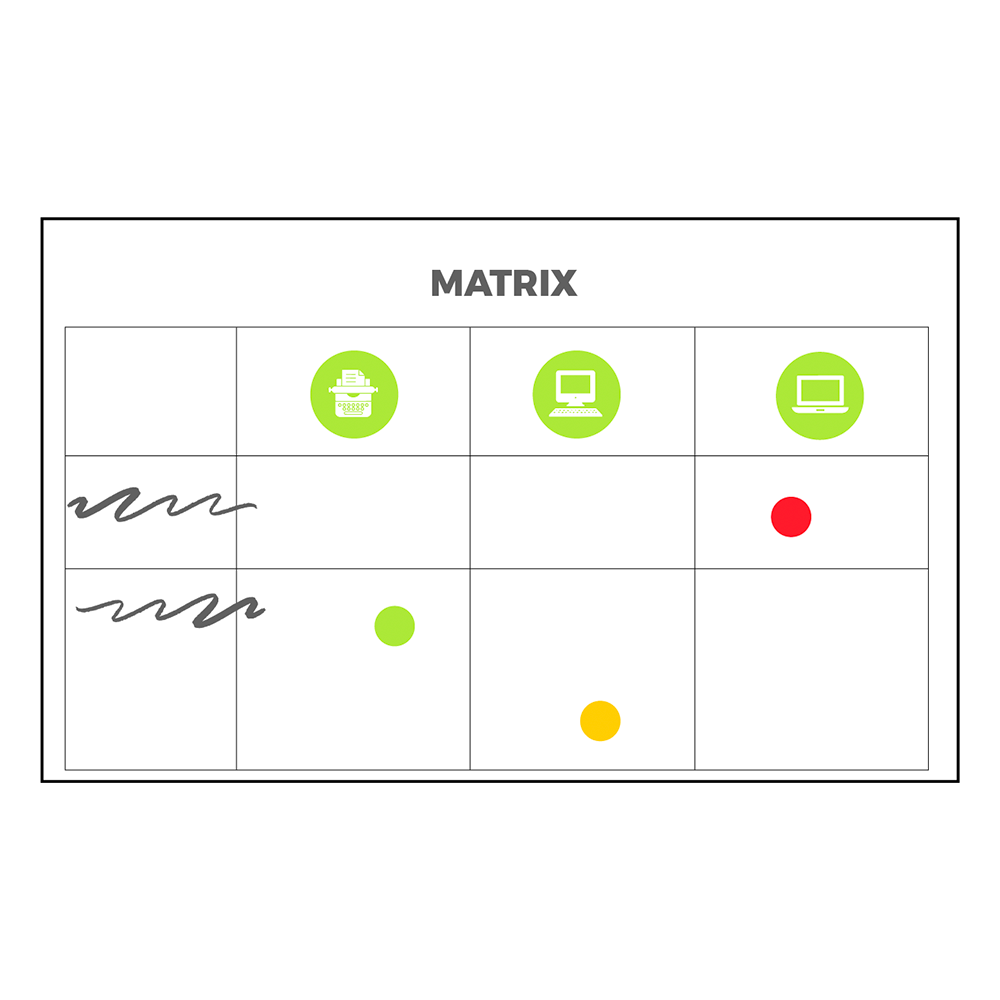
Format to DEFINE
Vivamus suscipit tortor eget felis porttitor volutpat. Pellentesque in ipsum id orci porta dapibus.
All Steps Format
Vivamus suscipit tortor eget felis porttitor volutpat. Pellentesque in ipsum id orci porta dapibus.