
PROTOTYPE
TESTING
Make It Real (For Real)
Now it’s time to take your solution beyond the safety of a controlled test and see how it performs in the real world. This step is about putting your prototype into authentic conditions, where users interact with it naturally, surrounded by all the messiness, unpredictability, and pressure that can’t be replicated in a lab. You’re no longer simulating the experience, you’re delivering it. The goal is to observe how your solution behaves in context, uncover friction, and gather feedback that reflects real behavior, not just opinions.

Where to Start?
Begin by refining your prototype based on what you learned in Step 4. Then design a test that places your solution in a real-life setting, in-store, on-site, in-use, or in-market. Define what you want to learn: How do people interact with it? What’s working and what’s being ignored? How does it fit into the real environment and experience? Prepare your team to observe without interfering, and make sure feedback channels are in place to capture honest reactions and unexpected behavior.
Why This Step Matters?
It reveals how your solution works in the real world – You’ll see how people truly interact with your idea, uncovering challenges or behaviors that only emerge in real settings.
It validates value and usability – Testing in real-life conditions helps confirm whether your solution meets actual needs, solves the problem effectively, and fits into users’ routines.
It builds confidence for scaling or launching – Real-world testing helps teams make informed decisions, whether to improve, pivot, or move forward, based on how the solution performs under real pressures.
The Challenge of This Step
Testing in real environments means letting go of control. People may use your prototype in unexpected ways, face unanticipated barriers, or give feedback that challenges your assumptions. It’s easy to become defensive or jump to conclusions, but the point of this step is to listen, observe, and stay curious. Teams also face the risk of scaling too quickly based on limited feedback. Stay grounded in learning, not just validation.
This step is your chance to see your idea truly come to life, not in theory, but in context.
Key activities for Testing

refine the prototype for real-world testing
Make necessary updates to ensure the prototype is functional and relevant for real use.

define the test environment and user group
Choose when, where, and with whom to test your solution in natural conditions.

Prepare support materials
Create any guides, instructions, or onboarding tools needed for users to engage with the prototype independently.

Run the test in the field
Observe real usage without controlling the experience, let users interact freely.

capture authentic feedback and behavior
Use interviews, observation, surveys, or passive data collection to gather insights.

analyze what work and what did not
Look for patterns, surprises, or signs that the solution needs to be adjusted before wider rollout.
Tools & Methods to Learn in Real Conditions
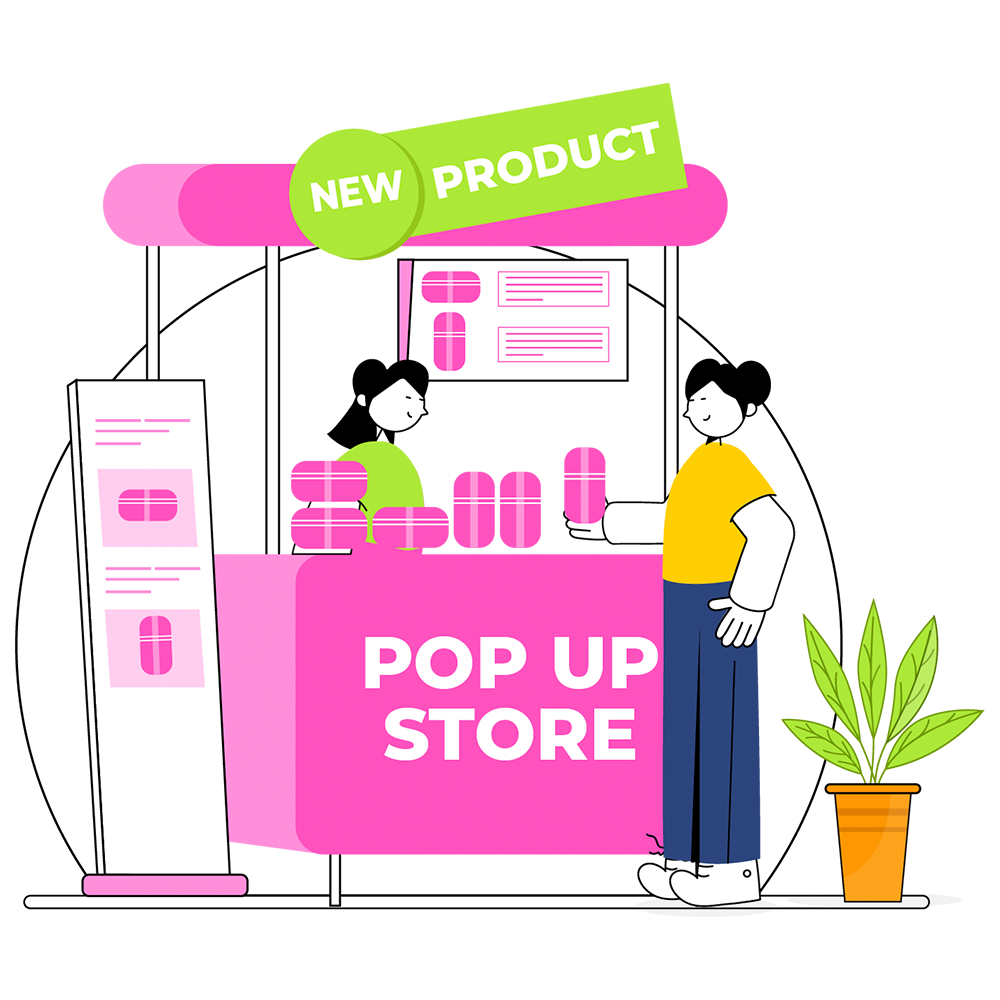
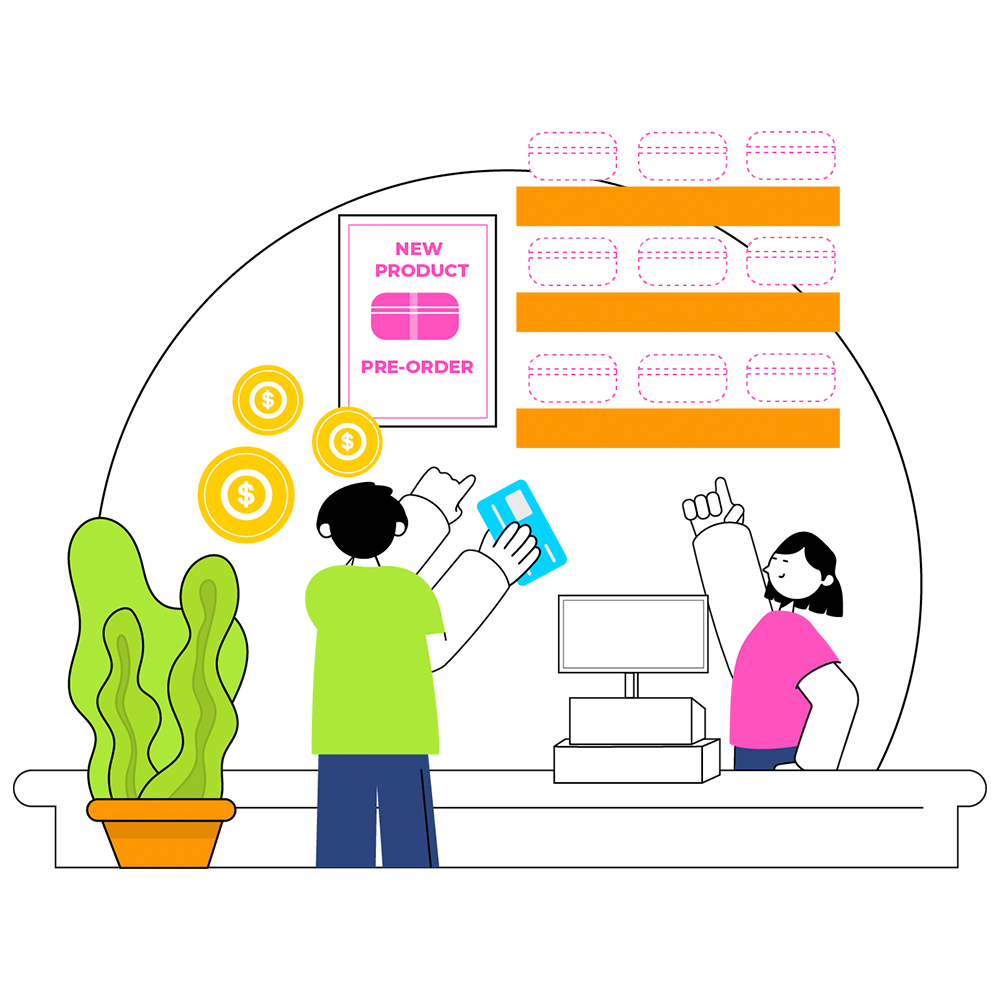
This step is about getting closer to reality. Use tools like in-market pilots, shadowing, experience tracking, post-use interviews, or customer feedback loops. The goal is to understand how your solution performs when it’s no longer in your hands, but in theirs.


Formats to Start
Empathy comes from exploration, and the right tools make all the difference. Choose the tools & methods that best fit your challenge and start discovering what truly matters.
Format 1
Vivamus suscipit tortor eget felis porttitor volutpat. Pellentesque in ipsum id orci porta dapibus.
OWN EXPERIENCE
Vivamus suscipit tortor eget felis porttitor volutpat. Pellentesque in ipsum id orci porta dapibus.
CONTEXT CANVAS
Vivamus suscipit tortor eget felis porttitor volutpat. Pellentesque in ipsum id orci porta dapibus.
PORTER´S FIVE FORCES
Vivamus suscipit tortor eget felis porttitor volutpat. Pellentesque in ipsum id orci porta dapibus.
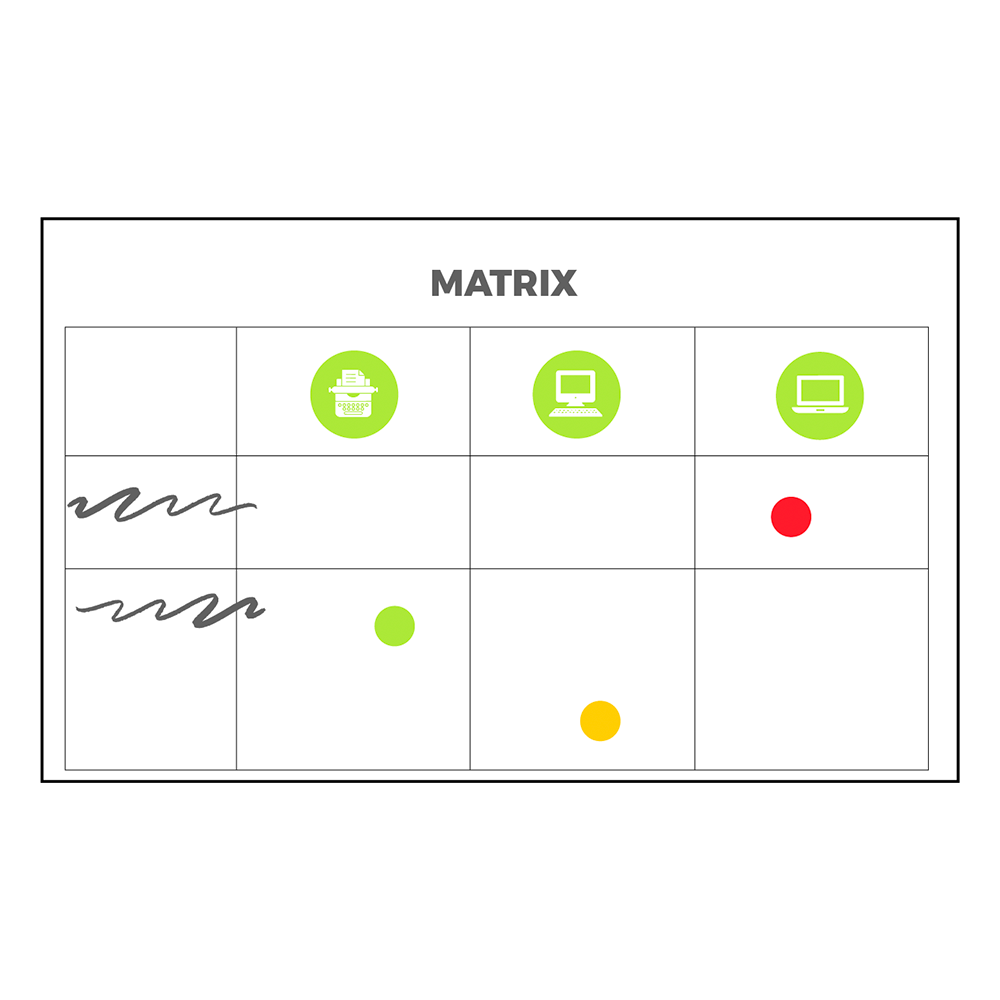
Trends matrix
Vivamus suscipit tortor eget felis porttitor volutpat. Pellentesque in ipsum id orci porta dapibus.
Participation method
Vivamus suscipit tortor eget felis porttitor volutpat. Pellentesque in ipsum id orci porta dapibus.