
PROTOTYPE
IMPROVEMENT
Make Ideas Real (Safely)
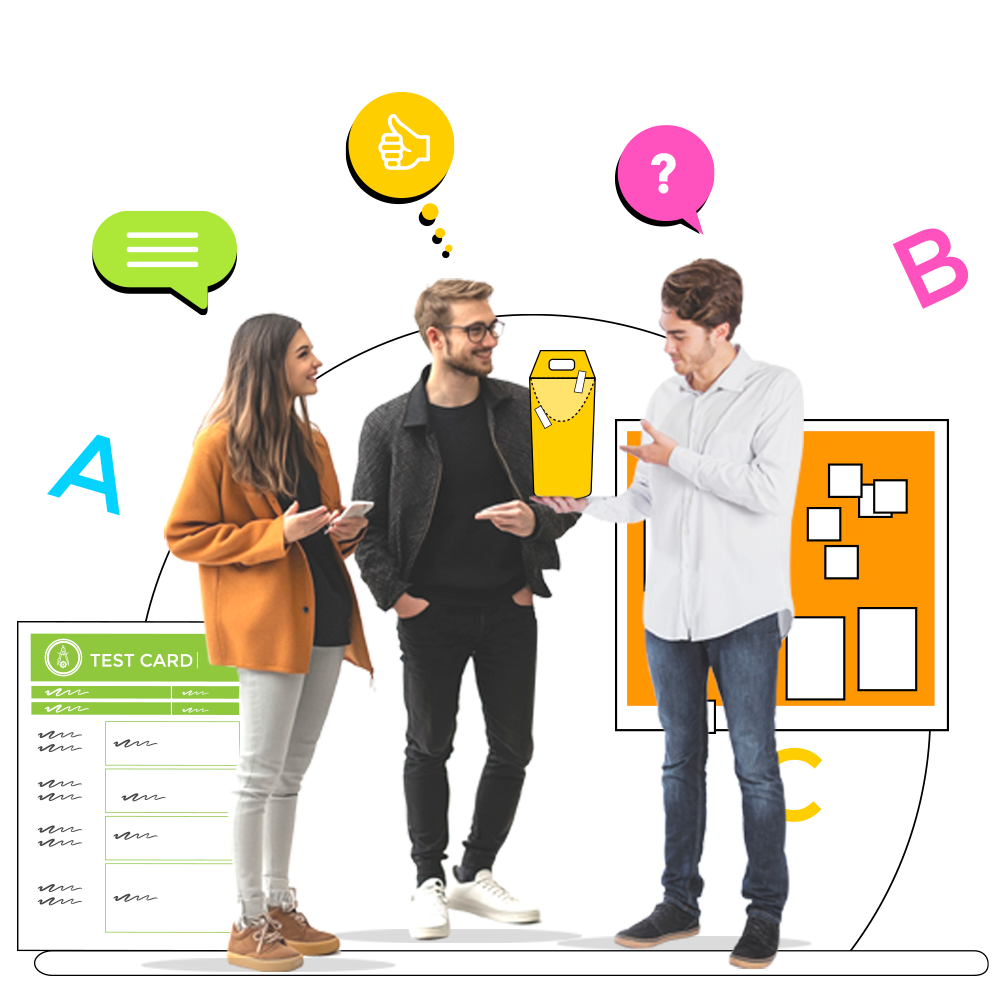
At this point, your idea becomes something people can interact with and react to. In Step 4, the goal is to design and execute low-risk experiments that bring your ideas to life in a controlled environment. It’s not about perfect solutions, it’s about making ideas tangible enough to test assumptions, explore alternatives, and gather feedback early, without the noise and unpredictability of a real-world setting. By prototyping and experimenting in a structured way, you start to see what works, what doesn’t, and what needs to evolve before going further.
Where to Start?
Begin by revisiting the concept or idea you’re ready to test. Identify which parts of the solution are most uncertain or risky, those are what you’ll want to test first. From there, define your learning objectives: What do you need to learn or validate? Then design a simple prototype (a mock-up, model, role-play, or sketch), and outline how you’ll simulate a real interaction or behavior in a safe, controlled setting. Start small, test fast, and stay focused on what you want to learn.
Why This Step Matters?
It brings ideas into focus – Prototyping gives form to ideas, allowing teams to move from abstract thinking to something users can actually see, touch, or experience.
It reduces risk before launch – Testing in a controlled environment helps identify problems early and make improvements before investing more time and resources.
It encourages learning through doing – Teams often gain new insights simply by building and interacting with a prototype—it opens up conversations, sparks new ideas, and reveals hidden assumptions.
The Challenge of This Step
One of the most common challenges is the desire to make a prototype “perfect” before testing it. But this step isn’t about polishing, it’s about exploring fast, low-resolution versions to learn quickly. Teams may also overcomplicate experiments or lose sight of the learning goals. It’s important to stay scrappy, focus on the riskiest assumptions, and view every interaction as a chance to improve.
Don’t wait for perfect, test what matters now.
Key activities for Prototyping

identify what you need to learn
Focus on the riskiest parts of your idea or assumptions that need validation.

design your experiment
Define a clear goal, create learning questions, and choose what variables to control.

build low-resolution prototypes
Use simple formats, mock-ups, sketches, cardboard models, storyboards, role-plays, etc.—to bring your idea to life quickly.

test in a controlled environment
Create a safe space where a limited group of users can interact with the prototype.

observe and capture feedback
Look for reactions, confusion, interest, or friction points, capture both verbal and non-verbal feedback.

refine based on what you learn
Adjust the concept or the experiment based on what worked and what didn’t.
Tools & Methods to Make it Tangible
This step is about speed, clarity, and learning. Use tools like storyboards, experience flows, physical models, paper prototypes, or interactive mock-ups. Combine them with methods like learning cards, experiment canvases, or controlled user sessions to design smart, focused tests.
Test card
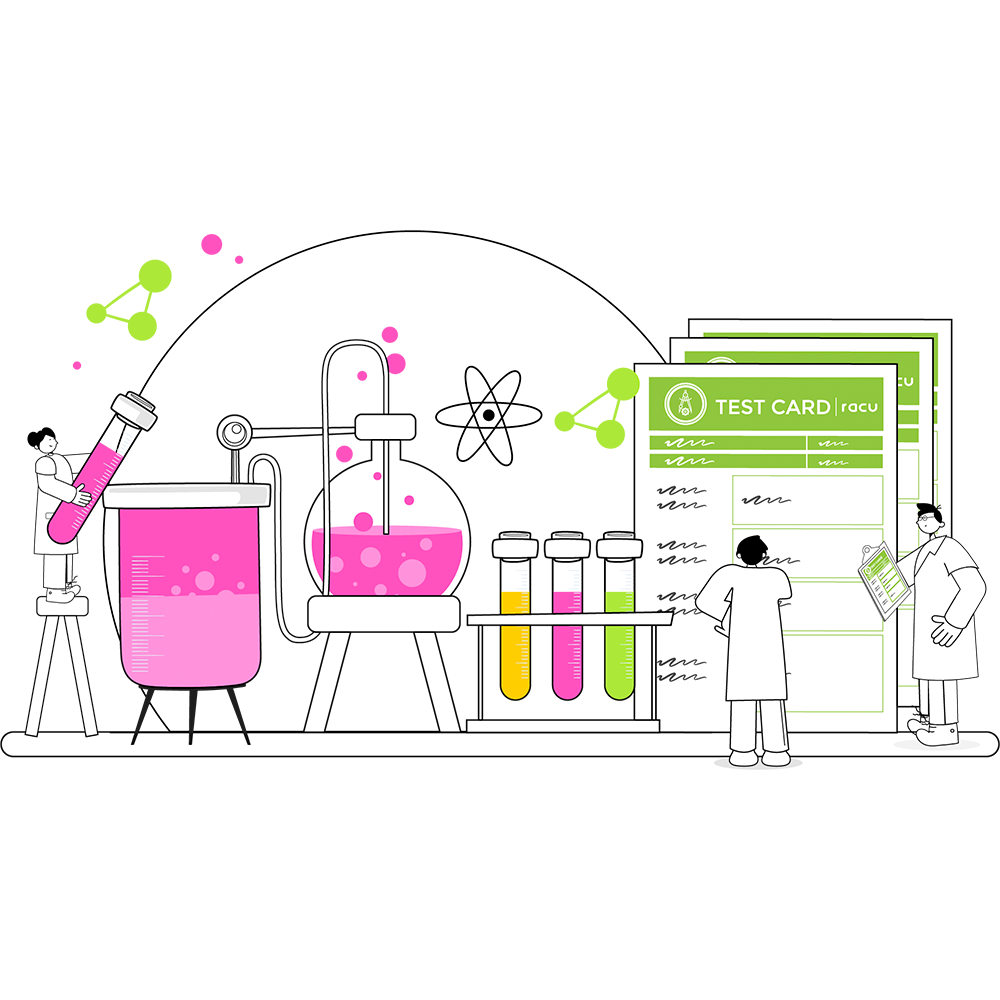
Vivamus suscipit tortor eget felis porttitor volutpat. Pellentesque in ipsum id orci porta dapibus.
A/B Testing
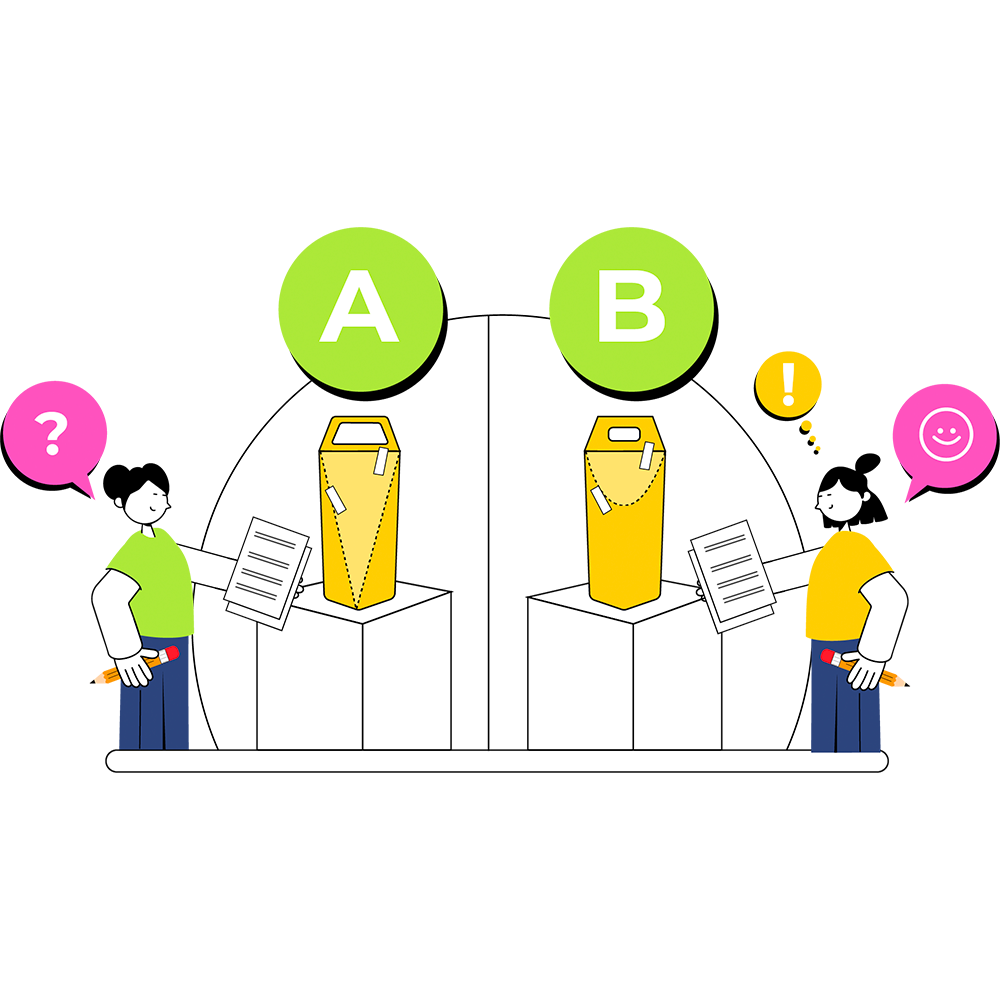
Vivamus suscipit tortor eget felis porttitor volutpat. Pellentesque in ipsum id orci porta dapibus.
Storytelling
Vivamus suscipit tortor eget felis porttitor volutpat. Pellentesque in ipsum id orci porta dapibus.
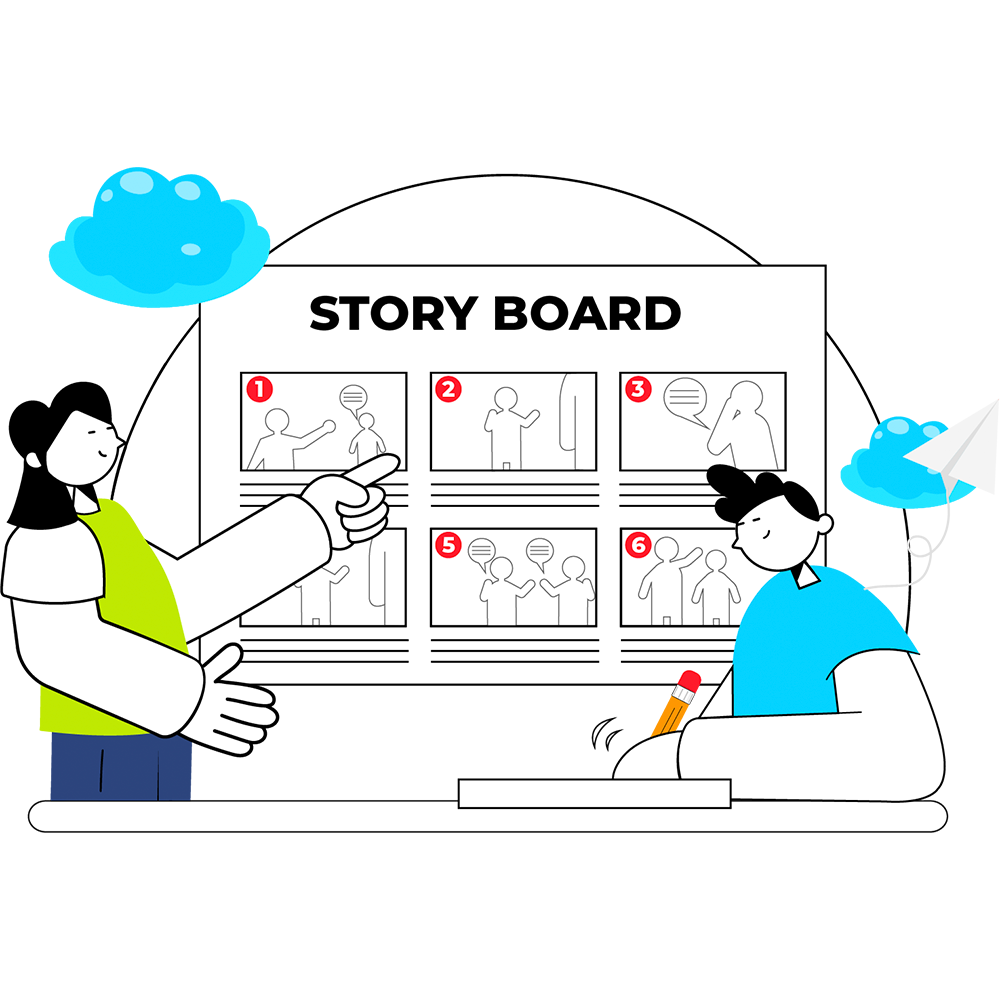
Solution Storyboard Test
Vivamus suscipit tortor eget felis porttitor volutpat. Pellentesque in ipsum id orci porta dapibus.
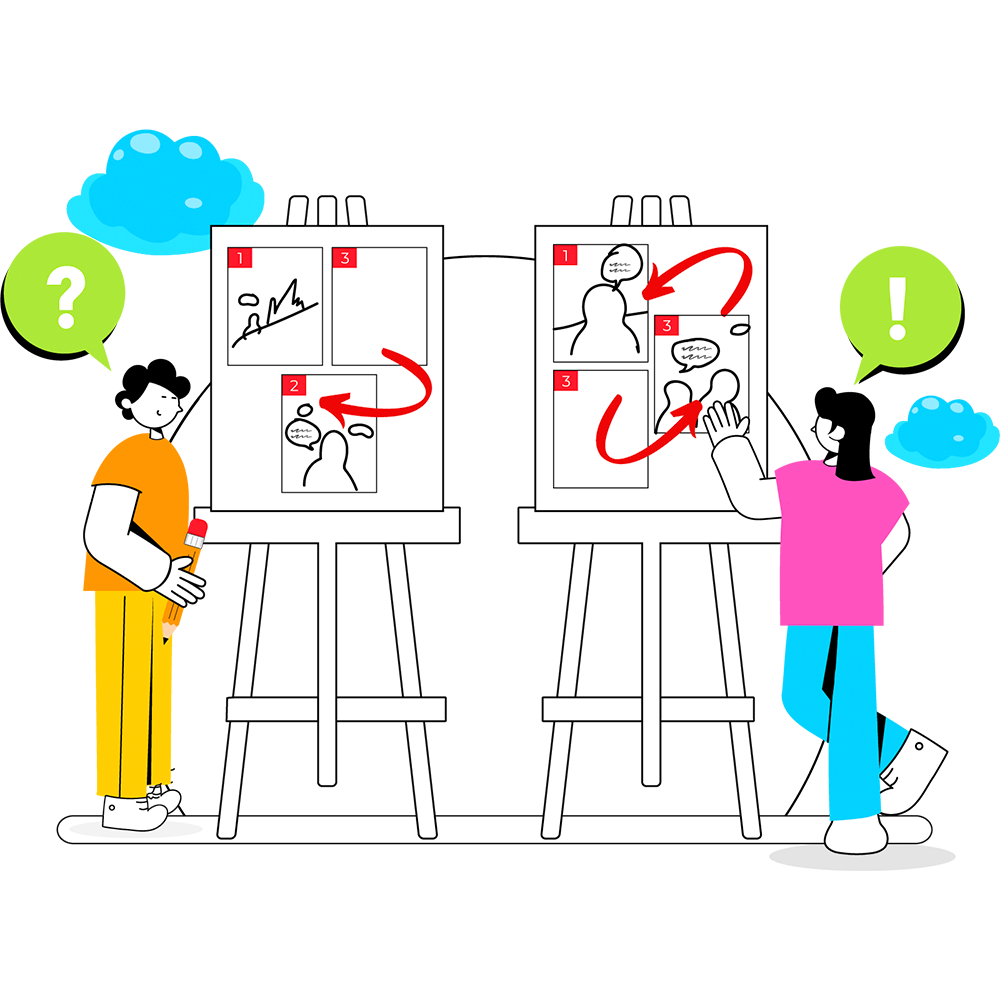
Storyboard Test - Make it Configurable
Vivamus suscipit tortor eget felis porttitor volutpat. Pellentesque in ipsum id orci porta dapibus.
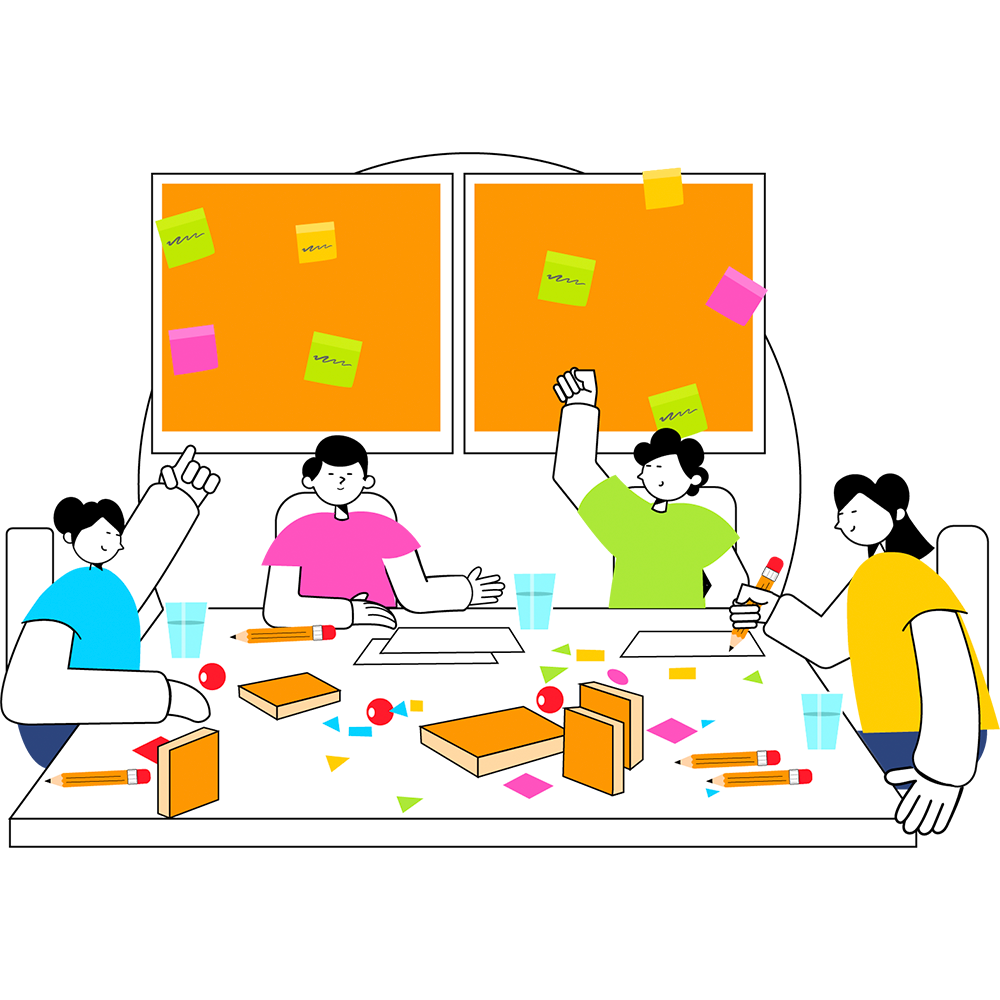
Innovation games
Vivamus suscipit tortor eget felis porttitor volutpat. Pellentesque in ipsum id orci porta dapibus.
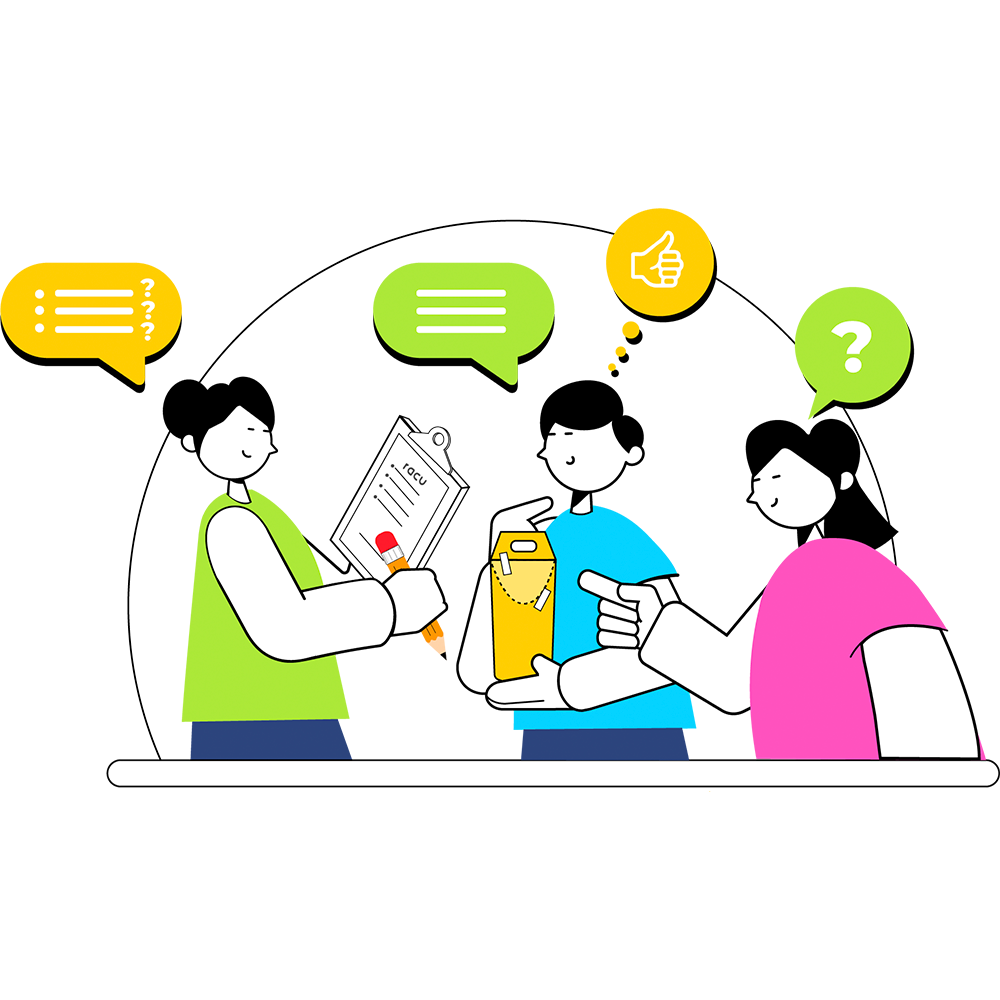
Interview Test
Vivamus suscipit tortor eget felis porttitor volutpat. Pellentesque in ipsum id orci porta dapibus.
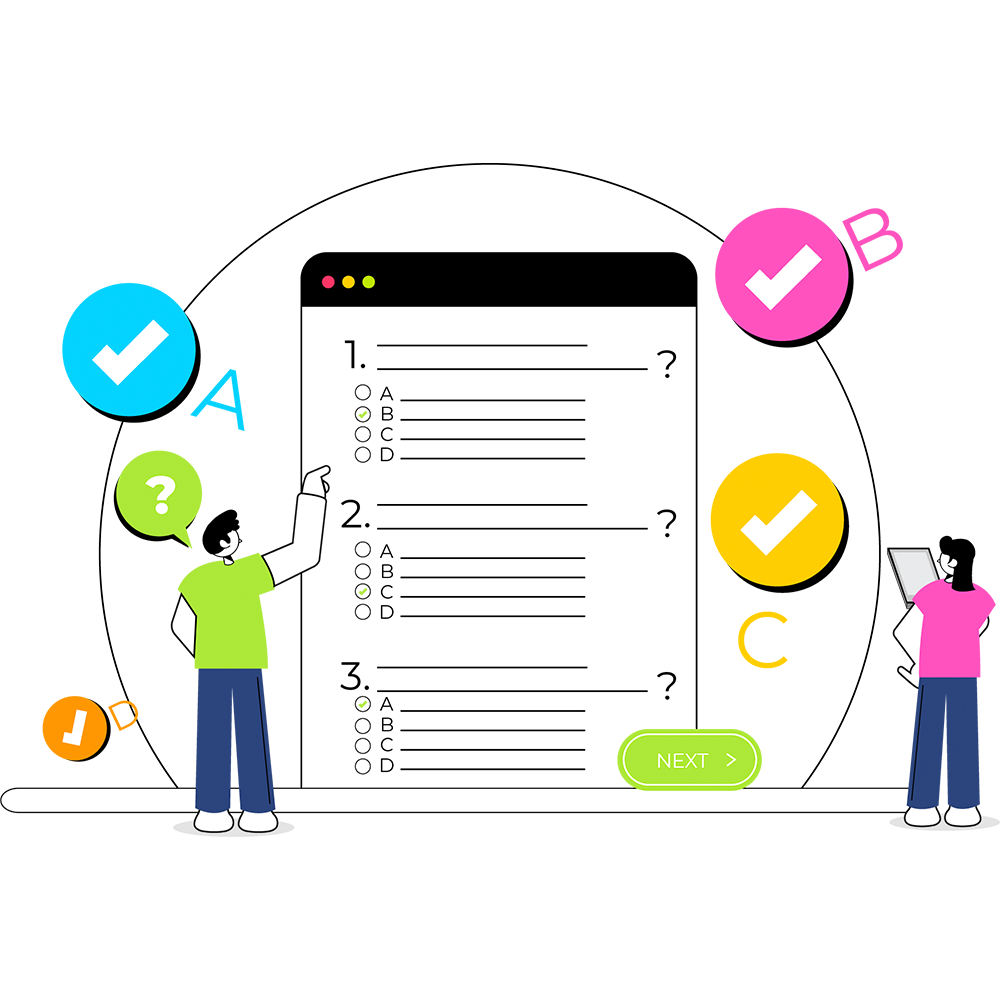
Validation Survey Test
Vivamus suscipit tortor eget felis porttitor volutpat. Pellentesque in ipsum id orci porta dapibus.
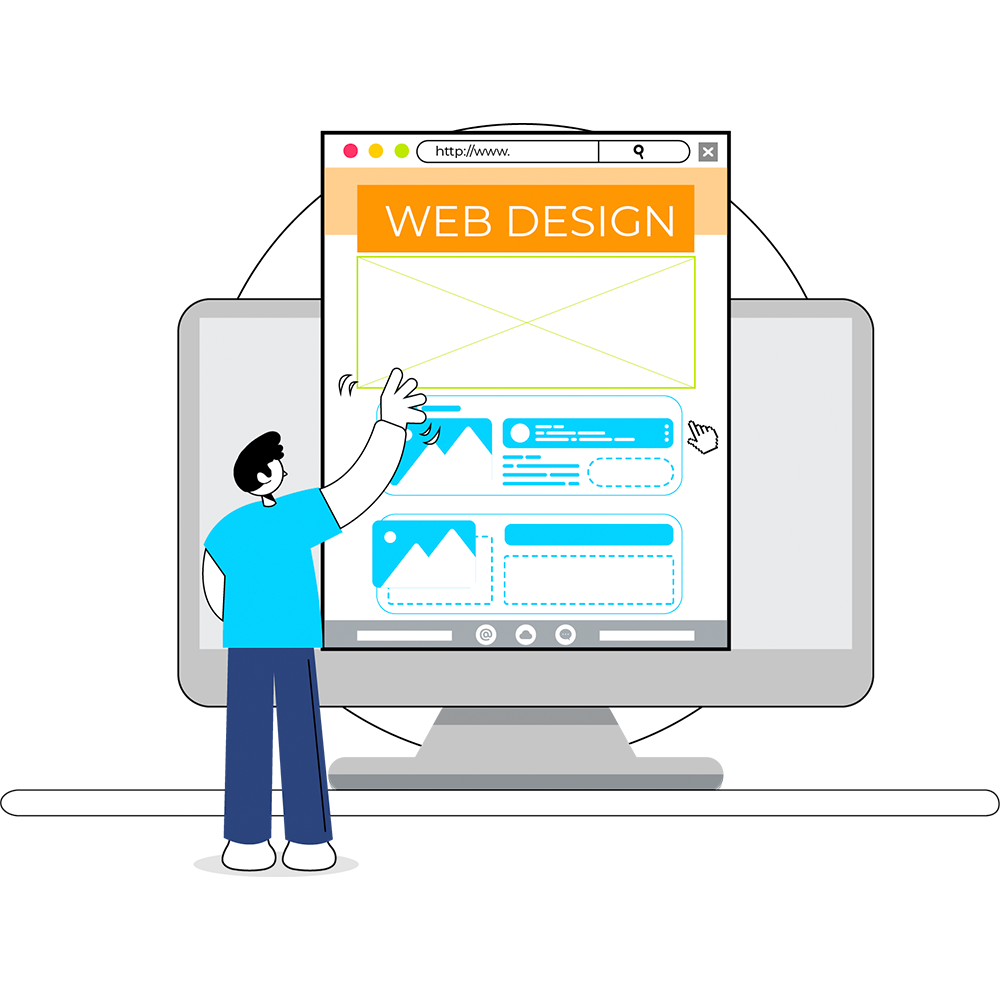
Simple Web page Test
Vivamus suscipit tortor eget felis porttitor volutpat. Pellentesque in ipsum id orci porta dapibus.

Linear Narrative - Flow Chart Test
Vivamus suscipit tortor eget felis porttitor volutpat. Pellentesque in ipsum id orci porta dapibus.
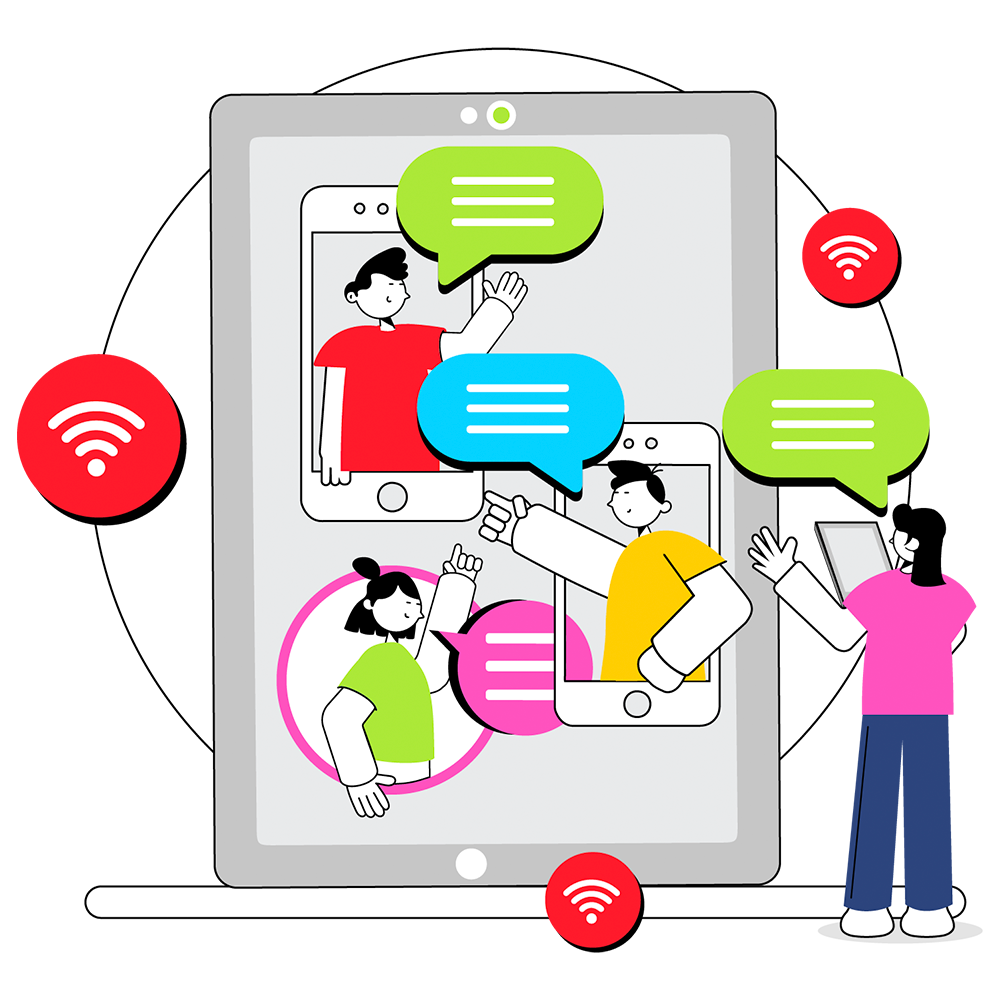
Discussion Forums (Internet)
Vivamus suscipit tortor eget felis porttitor volutpat. Pellentesque in ipsum id orci porta dapibus.

Discussion Forums (Face to Face)
Vivamus suscipit tortor eget felis porttitor volutpat. Pellentesque in ipsum id orci porta dapibus.
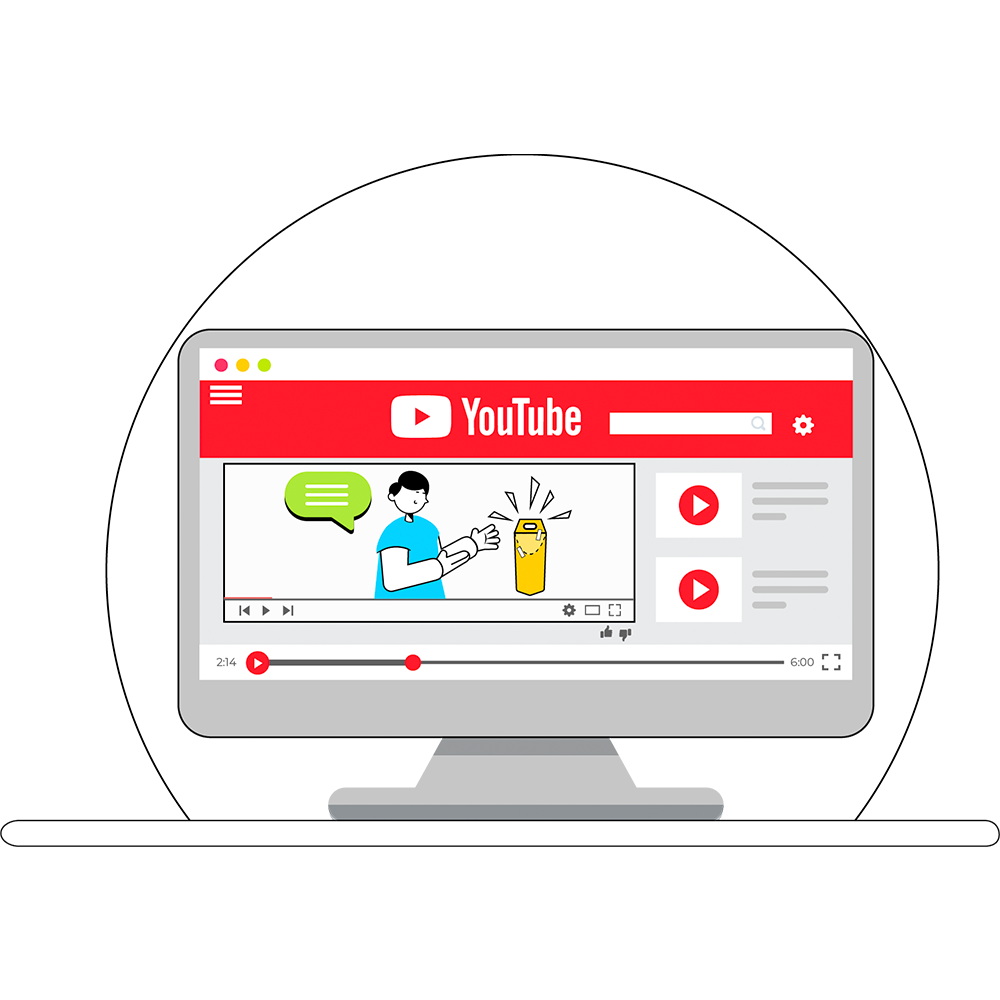
YouTube Test
Vivamus suscipit tortor eget felis porttitor volutpat. Pellentesque in ipsum id orci porta dapibus.
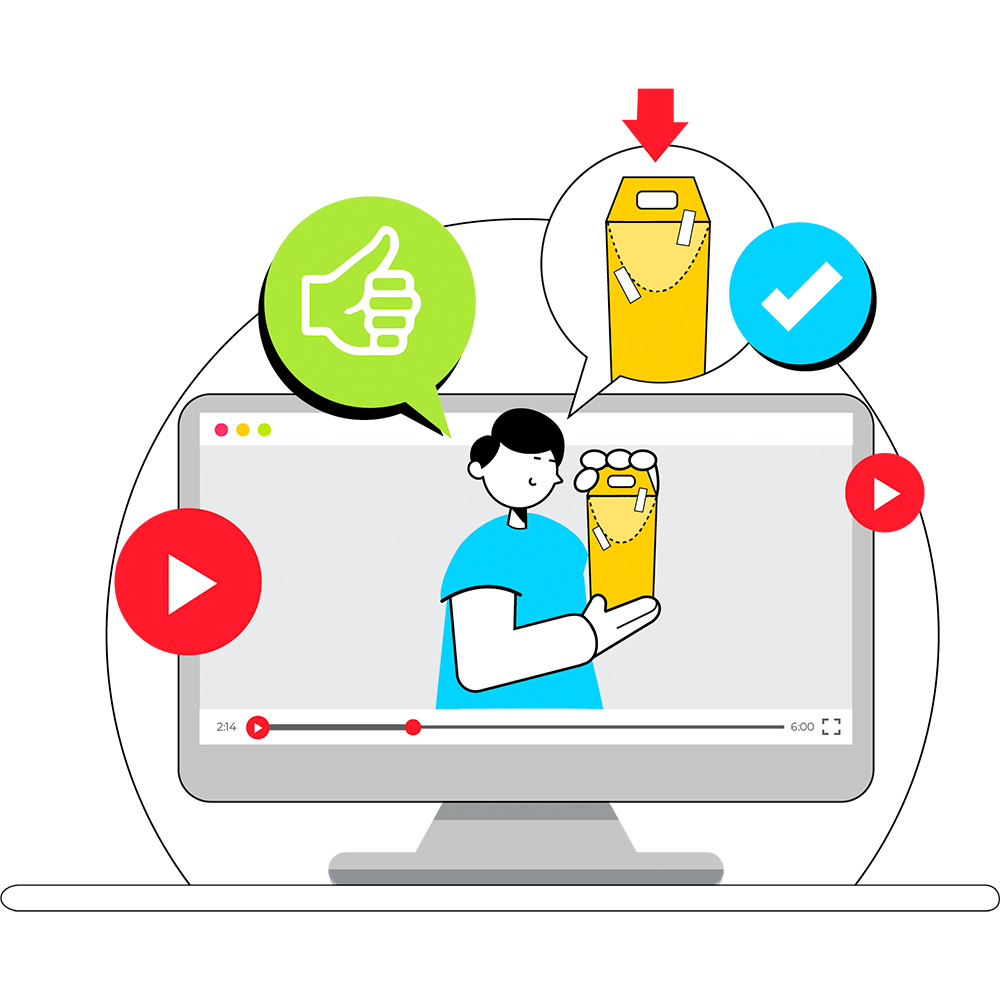
Video Test
Vivamus suscipit tortor eget felis porttitor volutpat. Pellentesque in ipsum id orci porta dapibus.
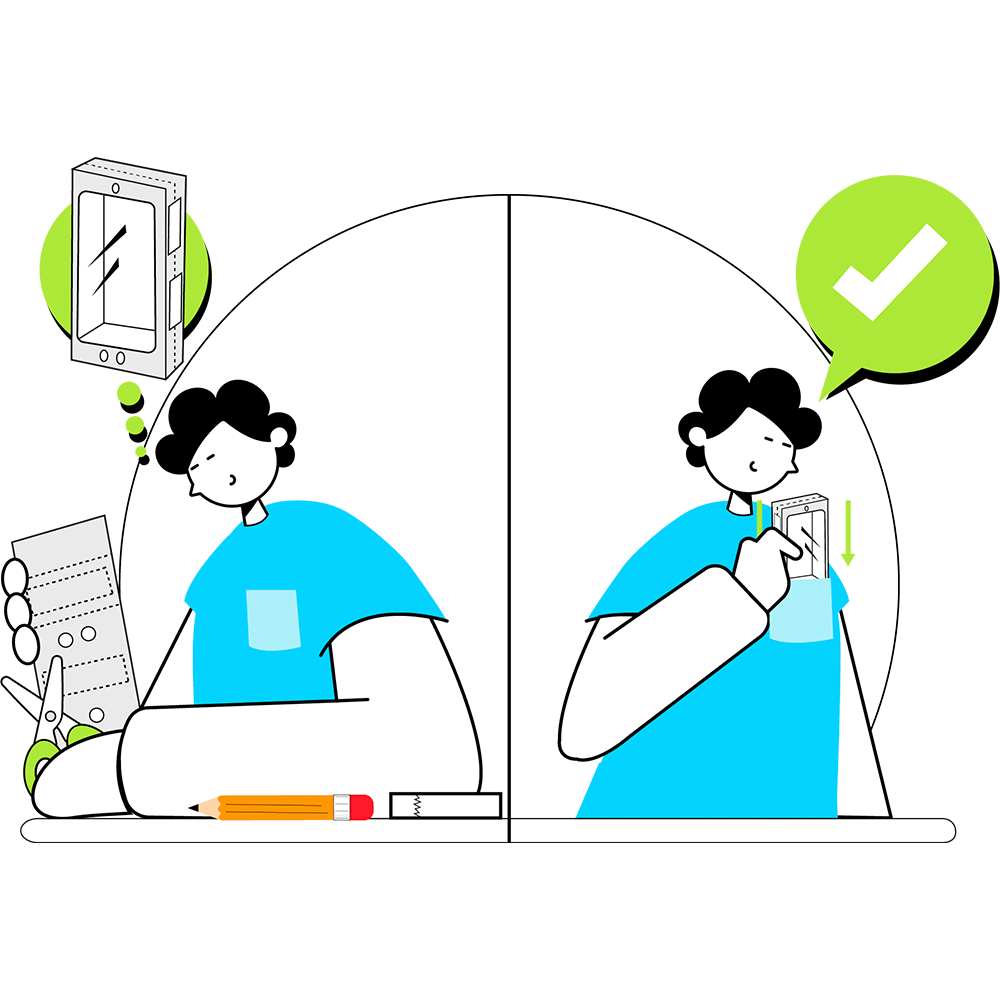
Pinocchio Test
Vivamus suscipit tortor eget felis porttitor volutpat. Pellentesque in ipsum id orci porta dapibus.
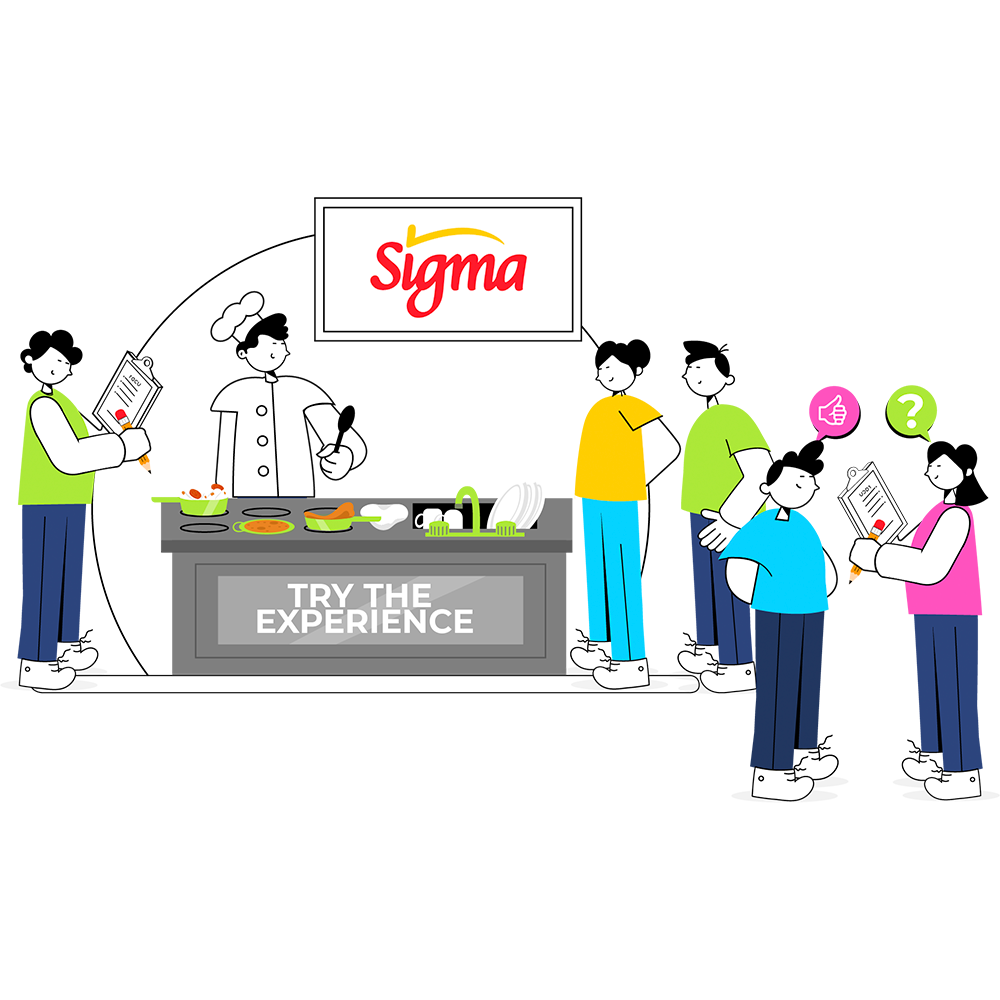
Experience Test | Life Sized Prototype
Vivamus suscipit tortor eget felis porttitor volutpat. Pellentesque in ipsum id orci porta dapibus.
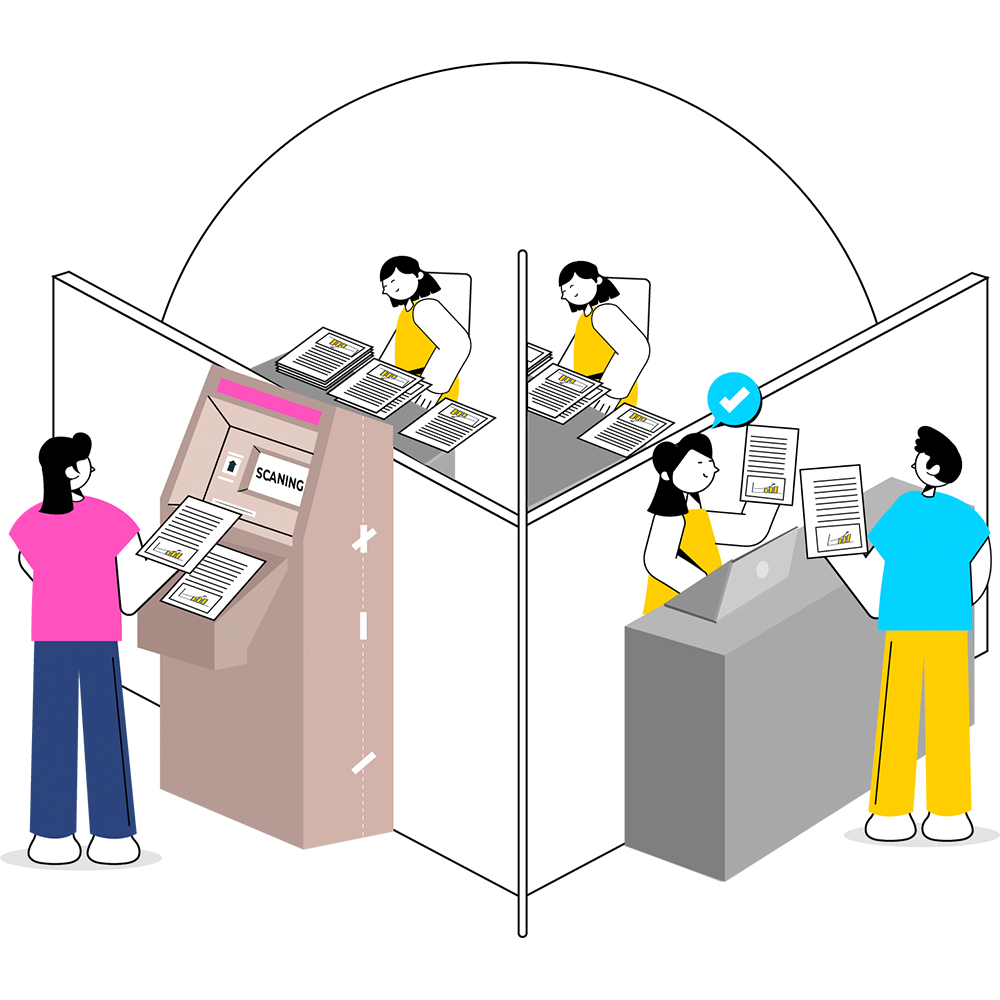
Wizard of Oz | Mechanic Turk | Concierge
Vivamus suscipit tortor eget felis porttitor volutpat. Pellentesque in ipsum id orci porta dapibus.
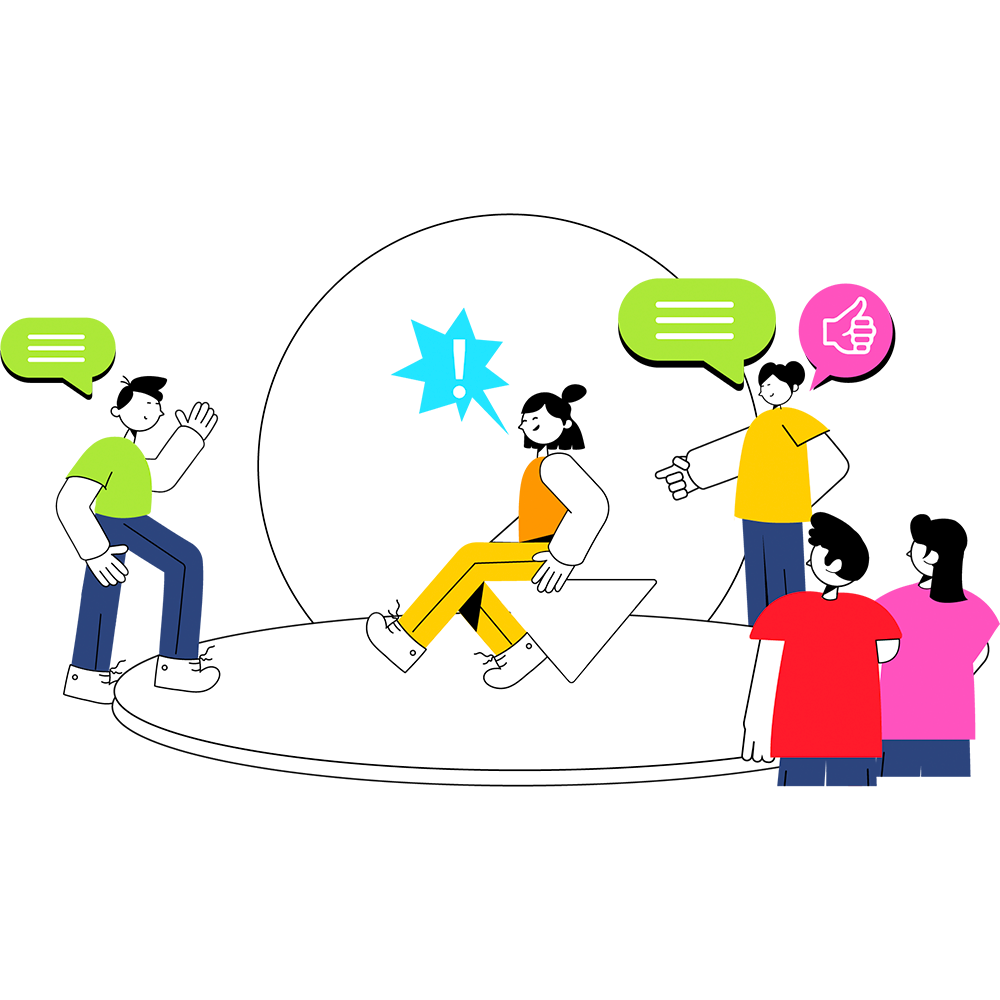
Solution Enactment Test
Vivamus suscipit tortor eget felis porttitor volutpat. Pellentesque in ipsum id orci porta dapibus.
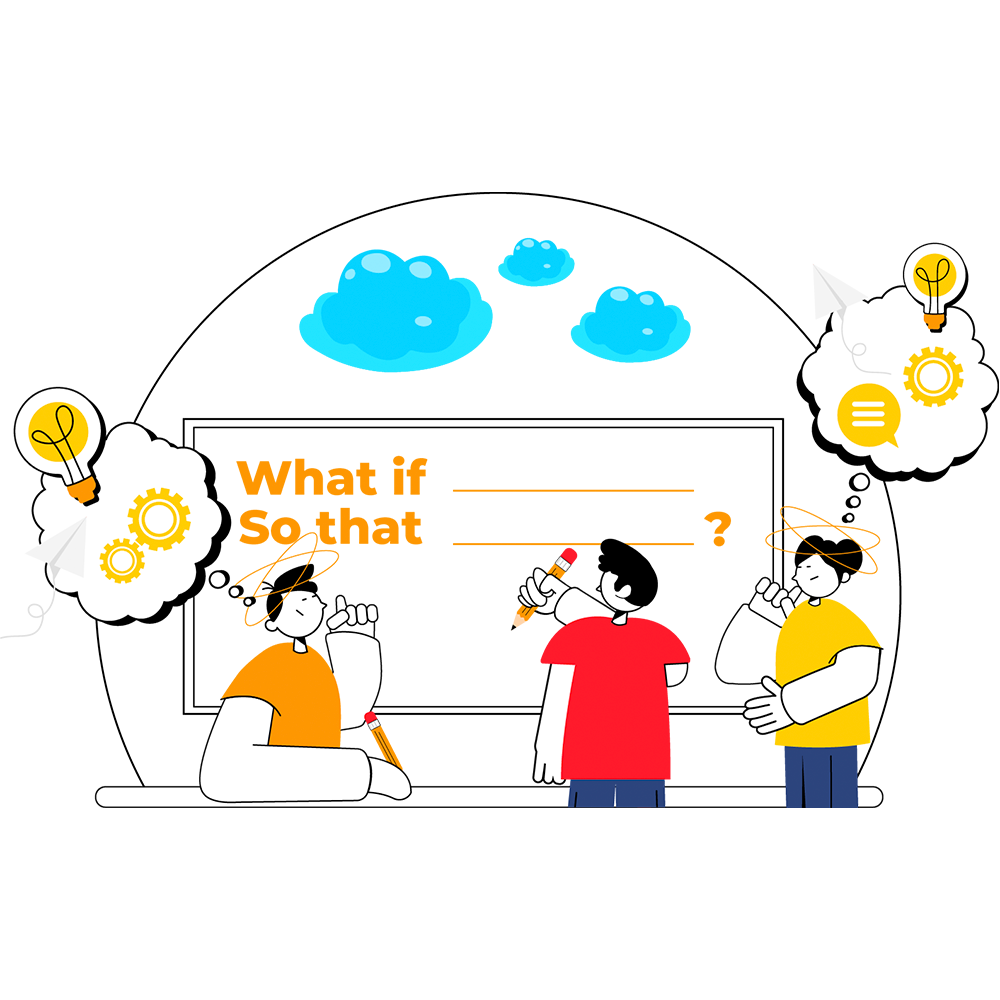
The Big What If Test
Vivamus suscipit tortor eget felis porttitor volutpat. Pellentesque in ipsum id orci porta dapibus.
Formats to Start
Empathy comes from exploration, and the right tools make all the difference. Choose the tools & methods that best fit your challenge and start discovering what truly matters.
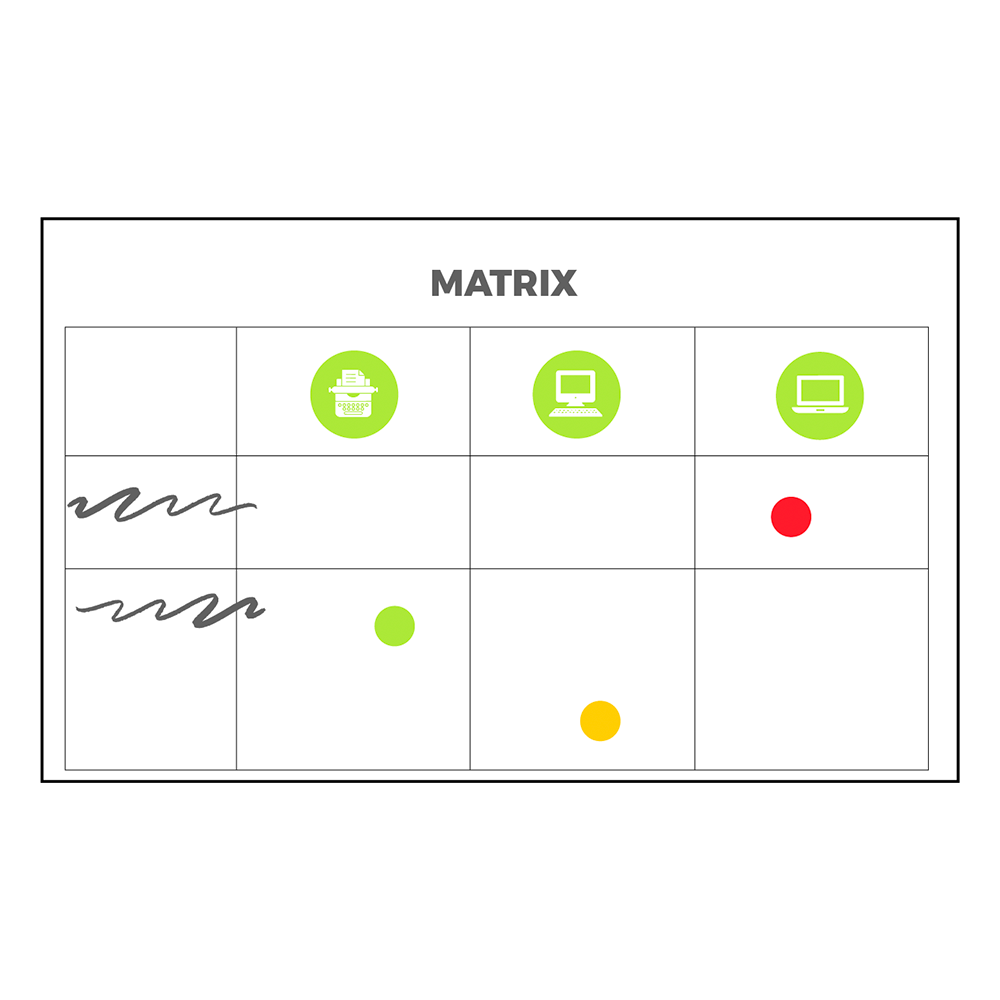
Format for Prototype Improvement
Vivamus suscipit tortor eget felis porttitor volutpat. Pellentesque in ipsum id orci porta dapibus.
All Steps Format
Vivamus suscipit tortor eget felis porttitor volutpat. Pellentesque in ipsum id orci porta dapibus.